Do you have to carry your passport in Spain?
Spanish law says foreigners should carry their passport and show it if police ask, but it also lets you prove who you are another way if you don't have it on you. Here's what we'd do.

Yes. Spanish law says foreigners should carry their passport and show it if the police ask. But the same law also says that if you don't have it on you, you can prove who you are some other way. So it's not as strict as it sounds.
Our Spain guide covers the rest of your paperwork for your own passport and dates.
What the law says
The rule is in Spain's public safety law (Ley Orgánica 4/2015), which you can read on the BOE, Spain's official gazette. It says foreigners have the right and the obligation to keep their ID documents and carry them with them, and to show them when the authorities ask. Then it adds that if you aren't carrying it, you can prove who you are by any other means.
That last part is good news. Spain's own law accepts that a foreigner will sometimes be asked for ID without it in their pocket. It doesn't say what counts as another means, and it doesn't mention photocopies, but it's a lot gentler than "no passport, no excuses".
The UK government's travel advice for Spain is blunter: "You must provide photo ID if asked by a police officer." Canada's advice says local authorities can ask for ID at any time, and suggests carrying a copy of your passport photo page.
What happens if you can't show it
If the police can't work out who you are, or you refuse to say, the law lets them ask you to come to the nearest police station for as long as is strictly needed, and never more than six hours. It's only for identification.
Refusing to identify yourself is treated as a serious offence, with fines of 601 to 30,000 euros. That's about refusing, not about not having your passport on you. We haven't found an official source that sets a fine for simply not carrying it, so we won't give you a number.
What we'd do
Honestly, we think most visitors in a Spanish city are far more likely to have their passport stolen than to be asked for it. That's our opinion, and nobody publishes how often tourists get ID checks, but the official advice points the same way. Canada says petty crime "such as pickpocketing and bag snatching, is common, especially in larger cities like Madrid and Barcelona", and the UK says thieves use distraction techniques and often work in teams. Losing your passport on holiday is a much bigger headache than a short chat with an officer.
So if you're sightseeing in a city, we'd carry a paper copy of the photo page and keep a photo on your phone, and leave the real passport in the hotel safe. If you're stopped, be polite, show the copy and say the passport is at your hotel. You can ask whether you can walk back with the officers to show it, but that's a request, not a right.
In our experience a copy is usually accepted, and the law gives you room to prove who you are another way. We just haven't found an official Spanish source that says a copy definitely counts, so we can't promise it. You're trading a small chance of a longer conversation for keeping your real passport safe.
We'd carry the real one, in a zipped inside pocket, when:
- You're driving. If you're stopped in a car, having the real document on you saves an awkward conversation.
- You're crossing a border, by plane, train or car, where checks are more likely.
- It's arrival day. Hotels need the real thing.
- You'd rather not take any chance. That's a perfectly good reason, and the cost of being wrong is mostly your time.
It's your call. Do what's best, and legal, for your situation.
Watch out for fake police
Both governments warn about people posing as police. Canada's advice says they may ask to see your passport, ID or wallet, and tells you to ask for their official identification. The UK's says thieves posing as police may ask for your wallet. Real officers ask for ID, not your wallet or your cash. If someone in plain clothes asks for either, ask to see their badge, and if you're uneasy, say you'll go to the nearest police station. Never hand over your wallet.
Your hotel will want to see it
Hotels and other professional accommodation in Spain have to keep a guest register based on your identity document. Spain's guest registration rules, published on the BOE, say the details they record must match the documents guests show, and they list passports among the accepted types. So bring the real passport to check-in, and don't leave it with reception afterwards. The UK's advice says specifically not to leave your passport at reception to collect later.
Take a photo of your passport and keep it somewhere separate from the passport itself. If the real one is ever lost or stolen, it makes getting a replacement much quicker. Our post on a lost or stolen passport walks you through it, and our guide to keeping your passport safe covers where to carry it.
We checked the BOE and the Canadian and UK government travel advice on 16 November 2026. Your personalized Spain guide works out passport validity, the 90 in 180 day Schengen count and what to expect at the airport you land in, for your own passport and dates. If you'd like the entry rules in one place first, we've written those up too: Spain entry requirements for US citizens.
Reddi is free and independent. If it helped, you can support it.
Read this next
Photo: Nicole Geri
same destination · same topicHow to keep your passport safe, and where you legally have to carry it
In some countries leaving your passport in the hotel safe is the sensible choice. In others it is against the law. Here is which is which, sourced country by country, and how to carry it without losing it.
 same topic · nearby
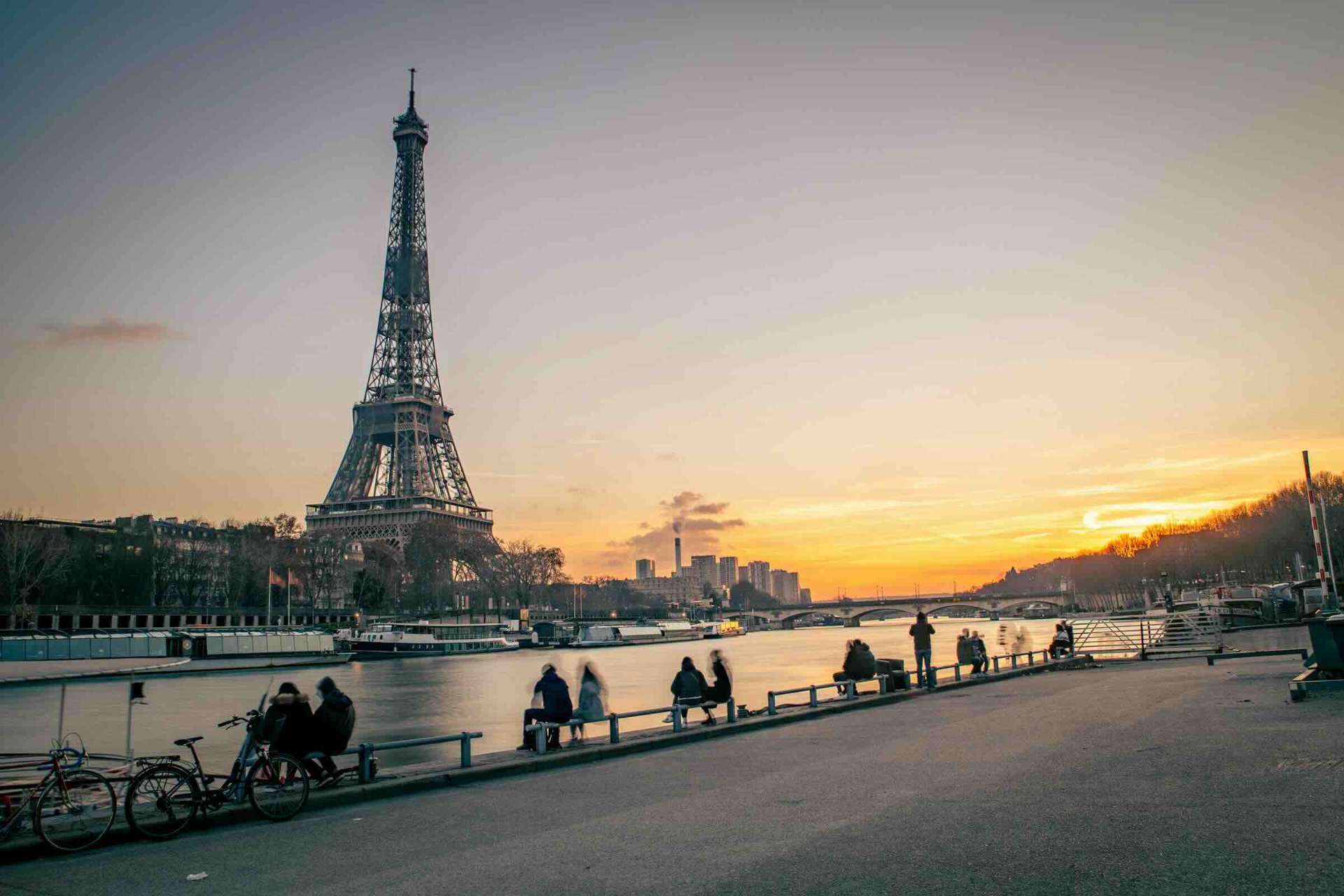
Do you have to carry your passport in France?
Yes, French police can ask visitors to show their passport, and if you can't, you can be held at a police station for up to 24 hours. Here's how likely that is, and what we'd do about it.
Photo: Stepan Konev
same topic · nearbyDo you have to carry your passport in Italy?
Italy is stricter than most of Europe. Not being able to show your passport when an officer asks is a criminal offence, and the courts read the rule as meaning you need it on you. Here's what we'd do.
Full checklists for these destinations
Skip the research, get your own checklist
Enter your destination and passport for a free checklist built around your trip: entry rules, the apps that actually work there, safety notes, and what to pack. Two minutes, no signup needed.
Now available on iOS and Android